01Core service
Hospitality for Businesses
True efficiency starts where the work actually happens.
A corporate desk, immaculate from the front. Under the table leg, a folded piece of cardboard holding it level.
Someone usually made it look that way.
A corporate desk photographed from the right angle. Clean surface, aligned screen, nothing out of place.
Underneath, a folded piece of cardboard keeps the table from wobbling. Nobody logged it, nobody was asked. Somebody simply solved it before the meeting started.
Most operations look seamless because a person absorbed the gap. That absorption is invisible in every report.
The first ones to take the hit are the ones at the front.
When a process fails, it fails at the counter, at the pass, on the phone. Not in the slide deck where it was designed.
Which is also why the frontline is not only execution. It is information — the most precise, least collected data a company has about itself.
Frontline involvement is not frontline governance. It is refusing to design without the people who carry the work.
From the frontline
Not a workshop room. The counter, the pass, the screen, the corridor — and the paper people invent to hold it all together.
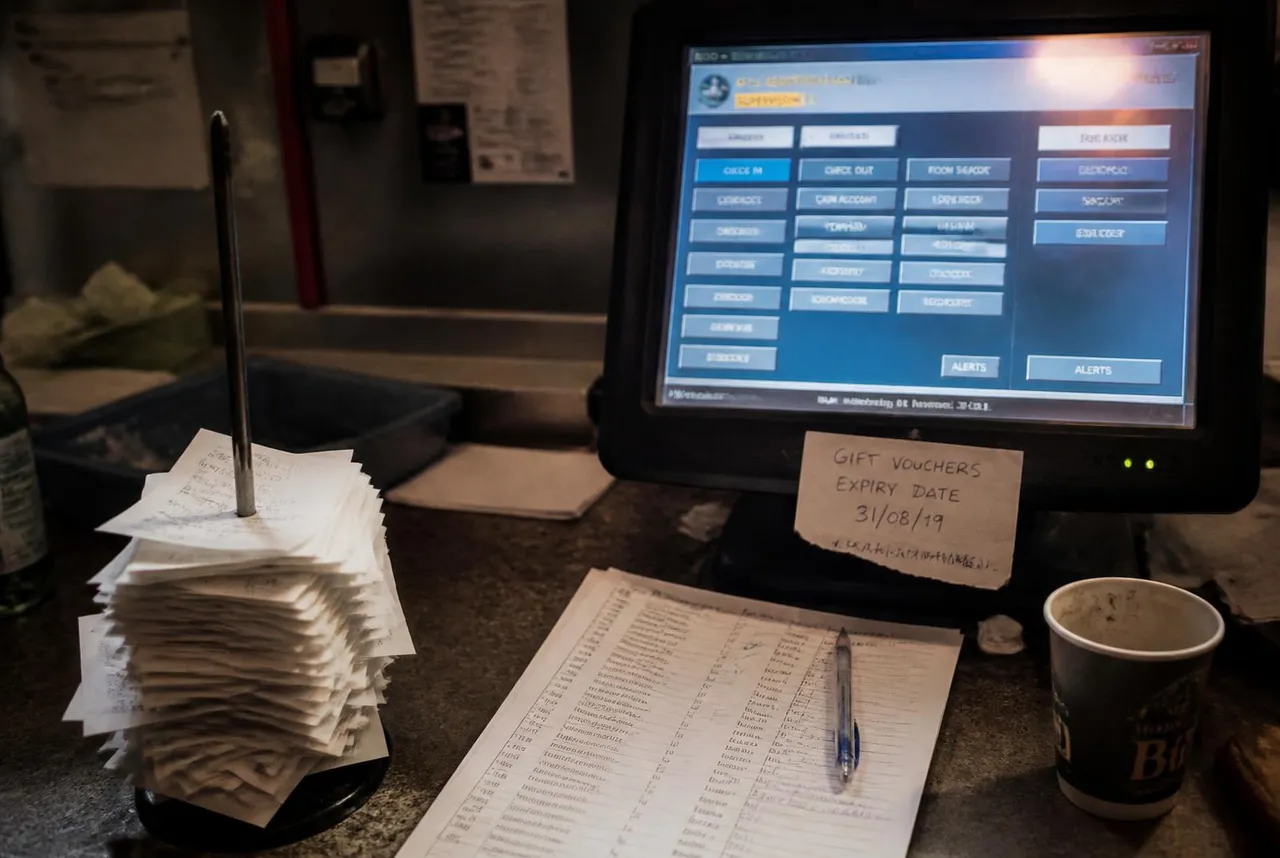
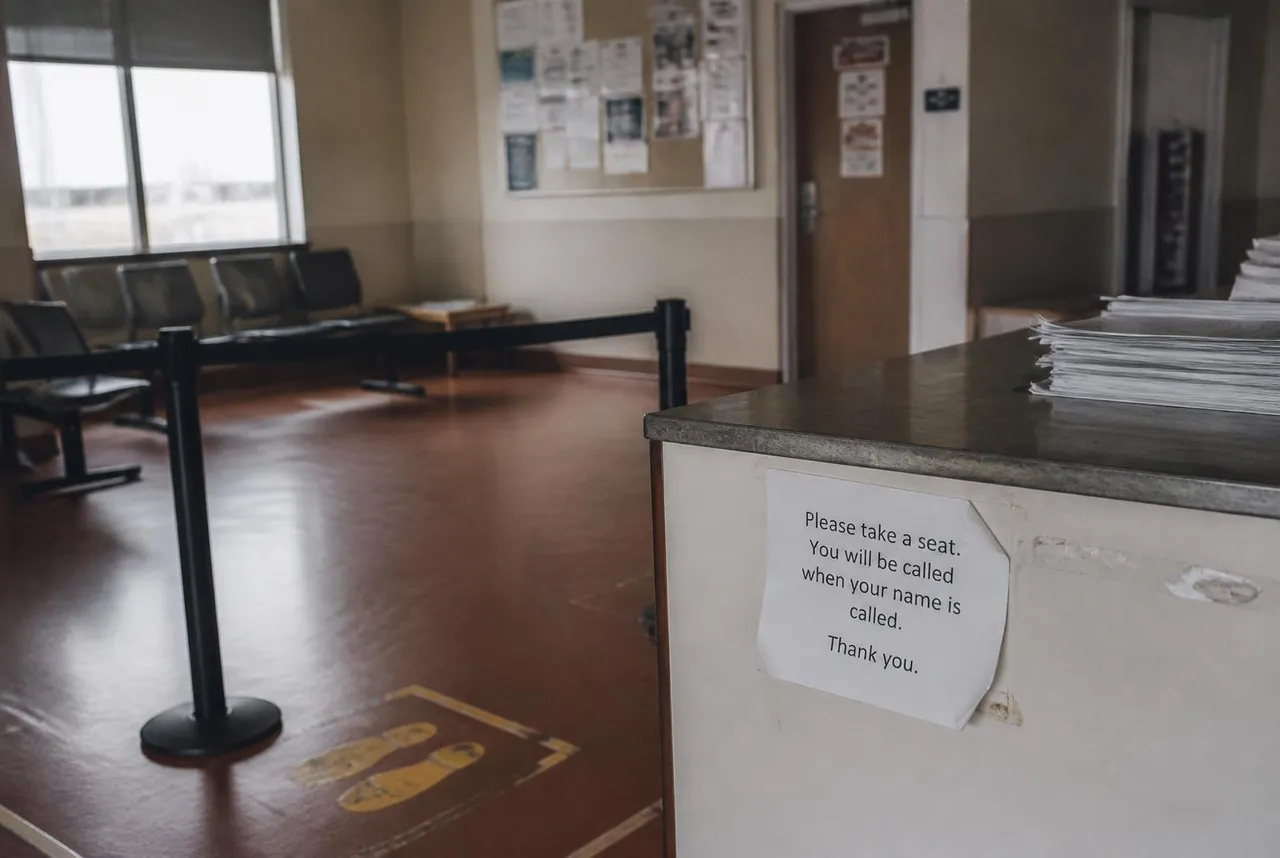
Screen recording of a booking being entered twice: once in the channel manager, once by hand in the property system.
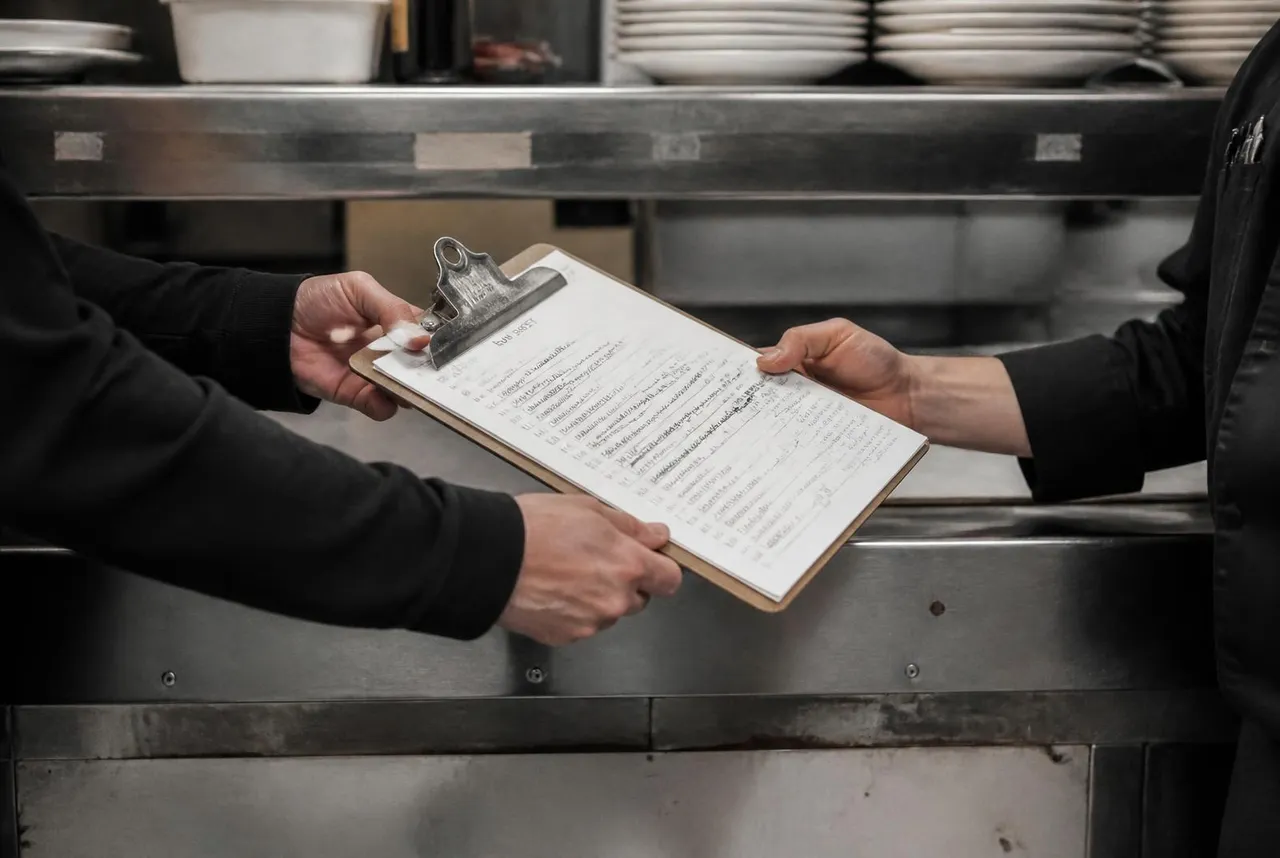
Perspective
Strategy looks different from the frontline.
We speak with the people who run the process every day, look at the interfaces between teams and systems, and compare the theory with the reality.
Not every existing way of working is automatically right. But no intelligent solution for a process comes from ignoring the knowledge of the people who carry it.
That knowledge is data for better transformation.
We observe.
A full shift, at the counter and behind it. No interview room.
We listen.
To the people who run the process daily, and to the guests it lands on.
We follow the process.
End to end, including the parts that leave the building.
Then we design.
Workplace, service and system, in that order — with the team, not at them.
The diagram and the day
Four steps on paper. Eleven in reality. The difference is where the cost sits.
The frontline says
Every step someone actually performs, including the ones nobody drew.
11
The process says 4 steps. The frontline says 11. That is where we start.
- 01Request
- Wait
- Manual entry
- 02Approval
- Email chase
- Second system
- Excel export
- Workaround
- 03Execution
- Follow-up
- 04Done
That’s where we start.
Operational friction
What we usually find. Not workplace wellbeing — operational reality.
Duplicate entry
The same guest typed into three systems, because none of them was allowed to talk to the others.
Workarounds
A spreadsheet nobody owns, holding the part of the process the software refused.
Handovers
Knowledge that only survives if two specific people happen to overlap by ten minutes.
Waiting
Not in any report. Measurable at the counter, in the corridor, on hold.
Unclear ownership
Everyone is responsible for the exception, so the exception waits.
Manual intermediate steps
Printing something in order to type it back in. Usually invisible from above.
Two journeys
The same day, read from both sides. Neither one explains the other.
Customer journey
- First contact, and how long it stays unanswered.
- Arrival, orientation, the moment of being recognised.
- The exception: what happens when something goes wrong.
- Departure, and whether anyone would return.
Employee journey
- The first ten minutes of a shift, and what they already cost.
- Tools, screens and the distance between them.
- The exception: who is allowed to decide, and how fast.
- End of shift, and what only exists in someone's head.
The framework
People, resources, friction. Read in that order, because the last one is only solvable once the first two are understood.
Honour the Experience
The experience of the people inside the company and the experience of the people it serves are one system.
We collect what the frontline already knows, put it next to what guests and customers actually meet, and treat the difference as the brief. Culture is not a value poster; it is what happens on a Tuesday at 16:40.
- Frontline Insights
- Employee Experience
- Customer Experience
- Culture
- Workshops & Co-Creation
Protect Resources
People are the resource that gets spent quietly.
Where strengths sit, who is actually allowed to decide, what knowledge exists only in one head, and how much capacity a week honestly holds. Protecting that is a design question long before it is a budget question.
This is not a cost-cutting exercise. Nothing here is about doing the same work with fewer people.
- Talent & Strengths
- Roles & Responsibilities
- Knowledge Mapping
- Capacity & Time
- Team Structure
Remove the Friction
Friction is rarely dramatic. It is the same forty seconds, four hundred times a week.
We follow both journeys end to end — the employee's day and the customer's — and take out the steps that exist only because two systems, two teams or two floors never agreed on anything.
- Employee Journey
- Customer Journey
- Workplace Experience
- Communication
- Collaboration
- Touchpoints
Sometimes the team doesn't need another workshop.
Sometimes they need a table, food they didn't have to organise, and an evening where nobody is presenting anything. We host those too — as the same craft, applied inward.
- Hosted Brunches
- Team Dinners
- Offsites
- Team Experiences
Where to go next
Two core services, and one conversation behind both.
Events built around the whole guest journey — arrival, timing, and what stays afterwards.
Write in your own words. A single person reads it and answers by hand.
Start a conversation