02Core service
Event Conception
We don’t start with the programme. We start with the guest.
From the guest side
Not stages and decoration. A gesture at the door, a table mid-sentence, service reading a room, and how the room is left.
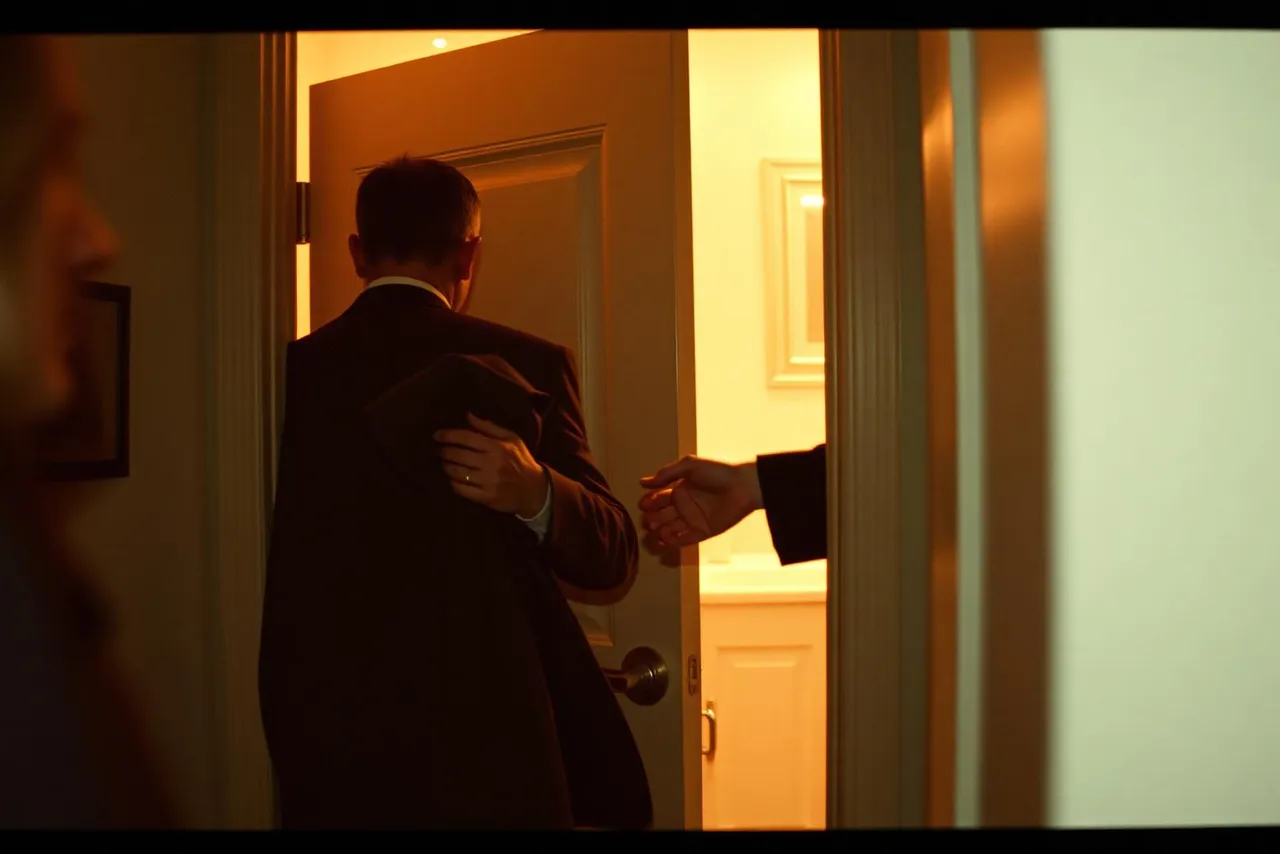
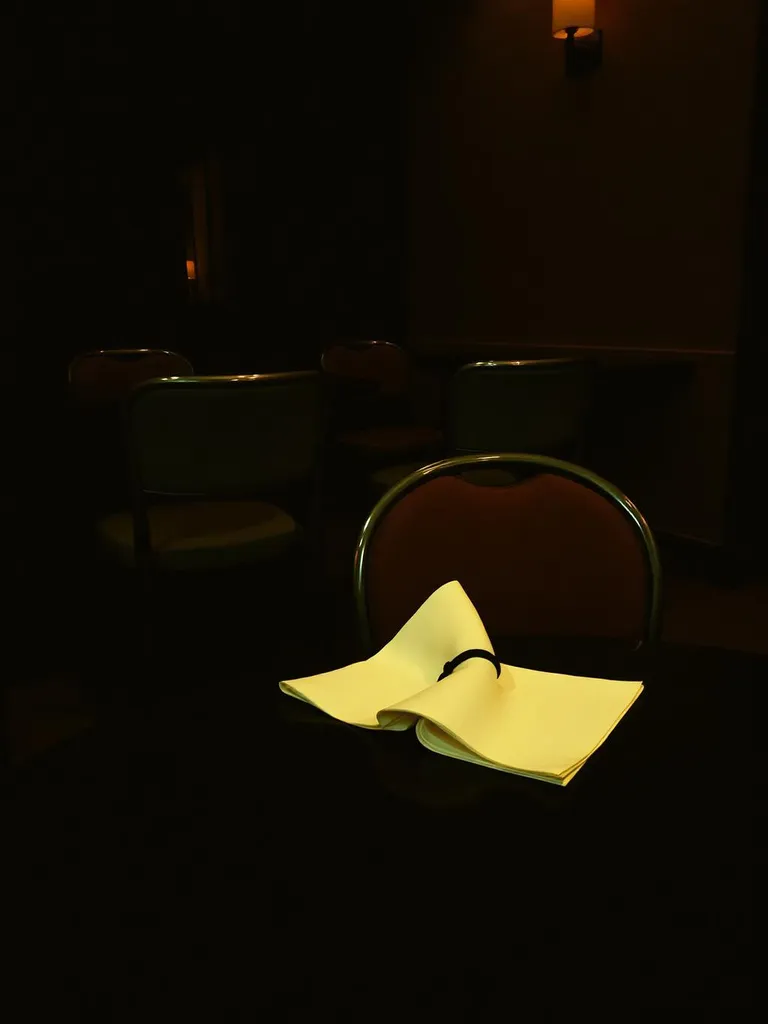

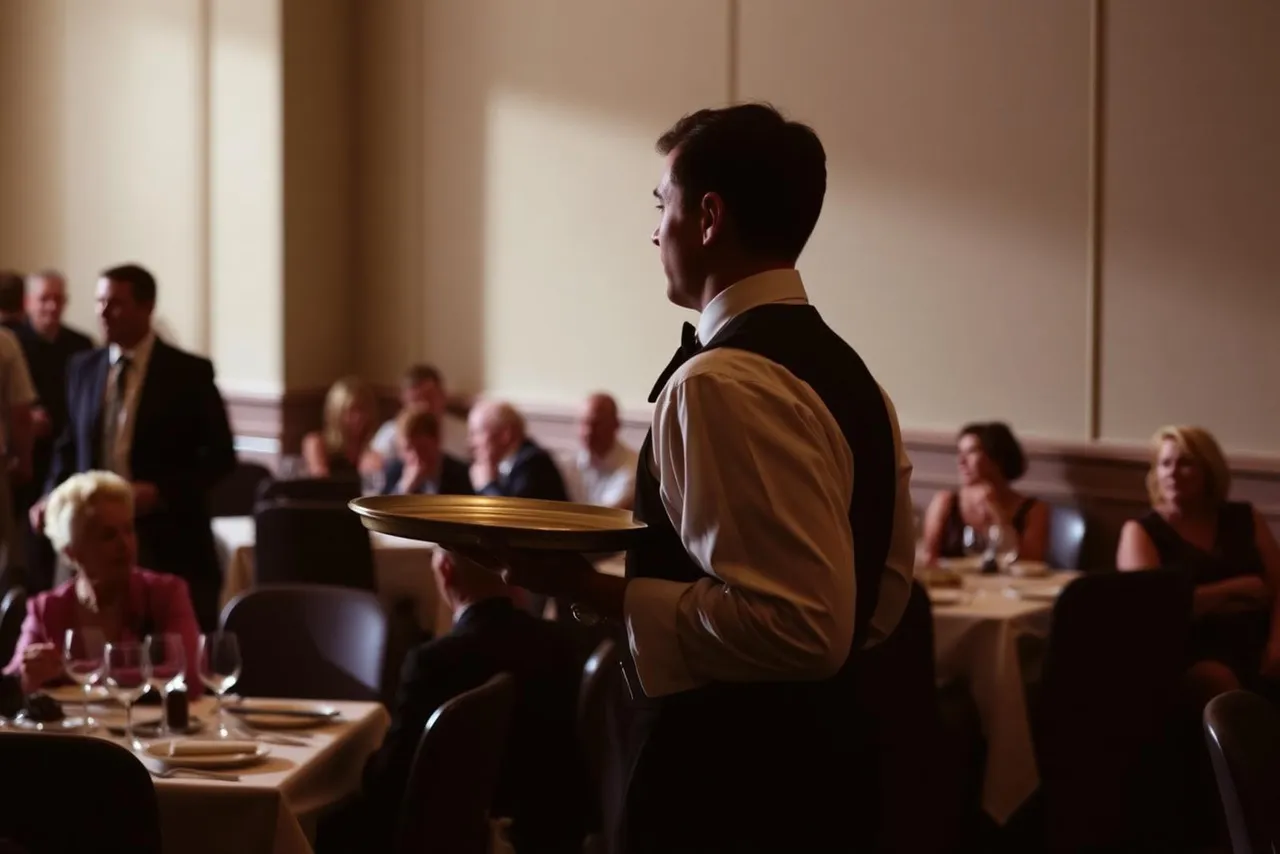
Handwritten seating plan, corrected three times on the day, with two names moved after a phone call.
None of this is decoration. Every one of these details is a decision someone makes hours before the first guest arrives — and the guest only ever feels the sum of them.
The evening, from the inside
An event is not a running order. It is a sequence of moments a person moves through, most of which nobody prints.
We design that sequence: when anticipation starts, how someone is guided into a room, who they sit with, when food arrives — and when nothing should happen at all.
Before
The event begins long before the door.
Invitation
The first sentence a guest reads sets the temperature of the evening.
Arrival
The journey there is part of the event. Parking, stairs, coat, weather.
First impression
Six seconds in the doorway decide how much effort the guest will make.
Orientation
Where do I go, who do I greet, where may I put my glass down.
Settling
The room does half the hosting.
Room
Proportion, acoustics, temperature. Nobody praises them; everybody feels them.
People
Who is here, and who is deliberately seated near whom.
Seating
The most underestimated dramaturgical instrument of the evening.
Conversation
It does not start by itself. It is made possible — or quietly prevented.
The evening
Rhythm, not programme.
Food
When it arrives matters as much as what it is.
Timing
Every evening has a moment where nothing should happen at all.
Light
It moves. Slowly, and never at the same speed as the conversation.
Music
Volume is a hospitality decision, not a technical one.
After
What stays is not the programme.
Service
Choreography: who stands where, and what they are allowed to decide.
Energy
It has to be built up and let down. Twice, usually.
Silence
The pause people remember as the best part of the evening.
Memory
One sentence, one gesture, one detail. That is what leaves the building.
What will the guest still be talking about the next morning?
Capabilities
Assembled per project, never sold as a package.
- Event Strategy
- Guest Journey
- Event Dramaturgy
- Experience Design
- Creative Concept
- Hospitality Concept
- Service Choreography
- Spatial Experience
- Production Direction
- Event Communication
- Guest Touchpoints
- Content & Programme Concepts
Where to go next
Two core services, and one conversation behind both.
Processes, service and workplaces redesigned from where the work actually happens.
Write in your own words. A single person reads it and answers by hand.
Start a conversation